Where people draw the line with AI
Andy shared some health test results with ChatGPT, then decided his DNA panel was a step too far.



Developed from a conversation between Pete Winn, Mark Suman and Andy David
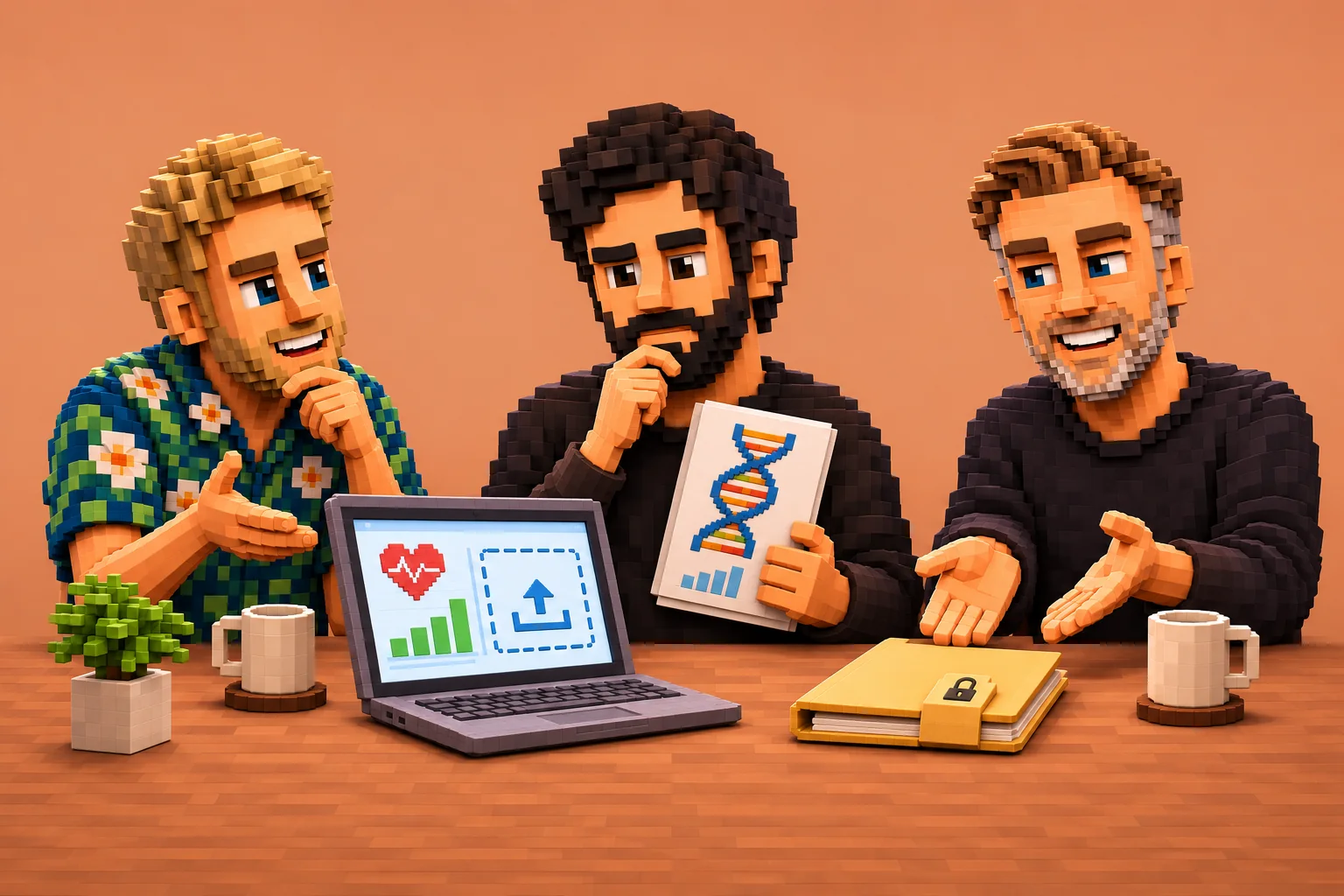
Andy was trying to make sense of an autoimmune condition that was hard to define. He had started building Corpus, a graph database of his health information, and sometimes ran diagnostic test results through ChatGPT because it was convenient and helped him piece things together. Then he had a full DNA panel done. He decided he would not put those results through ChatGPT or Claude.
That decision cost him something. An agent could have helped connect the DNA information with the rest of his health data, but he chose to do that part manually. Mark, who works on the private AI product Maple, recognises the hesitation. People tell him they start typing personal thoughts into ChatGPT and then become uncomfortable with what they are revealing. He wants Maple to accommodate the conversations they stop short of having elsewhere.
For Mark, privacy still has to come with a product people want to use. Maple is aimed at everyday consumers, including people who feel uneasy sharing a family concern or information about their work. He wants its user experience to compare well with ChatGPT, so someone choosing the more private option does not also have to accept a worse tool.