
Why consumers reach for hosted AI
Local models can handle everyday personal tasks, but hardware costs and limited awareness leave hosted frontier AI as the easier consumer choice.



Developed from a conversation between Pete Winn, Anthony and Andy David
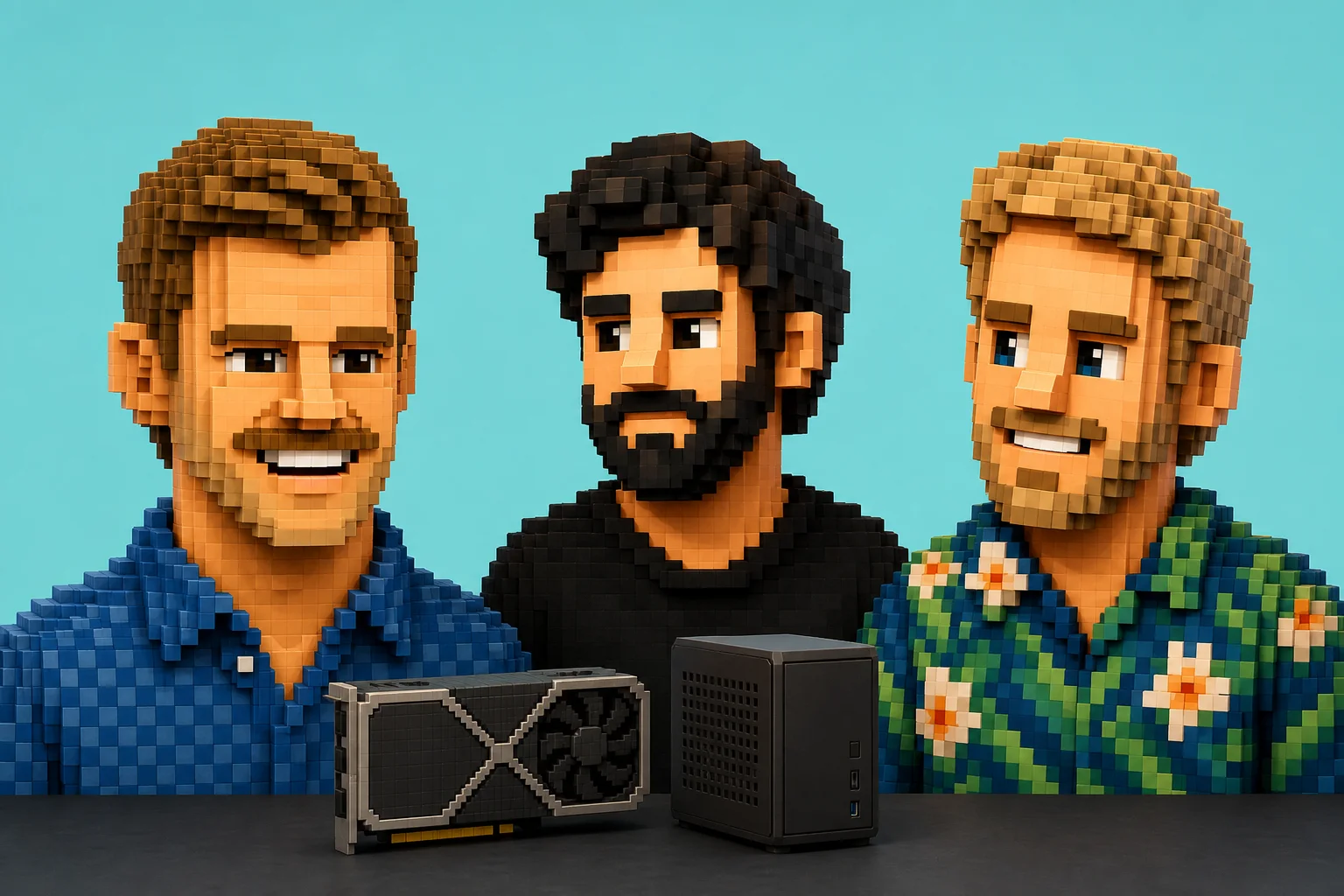
Anthony uses Qwen 3.6 locally as a workhorse for administrative jobs such as organising documents, reading PDFs and extracting information. He argues that models with about 27 to 30 billion parameters are capable enough for much of a person’s private computing, even if they cannot match frontier systems on demanding work.
That creates a paradox for consumers. As Andy points out, the people who could benefit from local AI for small manual tasks do not need frontier intelligence. Yet frontier intelligence is already available through familiar hosted services, while running a capable model at home requires people to know that local options exist and understand what those options can do.
The hardware threshold makes the familiar option even harder to displace. Anthony says his Qwen setup needs a decent GPU and roughly 32 GB of memory, which can mean building or buying a suitable PC before doing any useful work. Framed as a choice between spending about $5,000 on private AI hardware and paying about $20 a month for hosted access, most consumers will choose the subscription.