
A crisis desk that changes pace
An agent can filter a fast-moving crisis into technically verified updates, then ease its reporting cadence as the urgency recedes.
Read the snack ↗ IntelligenceSnacks
Topic
The systems, harnesses and feedback loops that allow models to act through tools.
An agent can filter a fast-moving crisis into technically verified updates, then ease its reporting cadence as the urgency recedes.
Read the snack ↗
The useful work in agent automation is defining the goals, operating rules and handoffs that let specialised agents coordinate without constant instruction.
Read the snack ↗
An AI agent can turn mature applications on one computer into an adaptive production pipeline by choosing the right tool for each task and iterating towards a defined standard.
Read the snack ↗
A shared evidence search can fan out across many targets before separate agents pursue the most relevant lines in depth.
Read the snack ↗
As AI absorbs routine work, people inherit a smaller stream of unresolved decisions that demands sharper attention and clearer presentation.
Read the snack ↗
Declarative pipelines reduce AI agent drift by fixing the path through functions, steps and data while leaving people responsible for direction and course correction.
Read the snack ↗
Every coding model brings its own mix of literalness, initiative, caution and recurring habits to a coding session.
Read the snack ↗
AI automation becomes more efficient when deterministic operations stay in code and agents appear only where the work requires judgement.
Read the snack ↗
Tests, specifications and human review determine how long a coding agent can keep producing useful software on its own.
Read the snack ↗
Fast agent workflows create more room for iteration, but human judgement still has to redirect them before small choices compound into drift.
Read the snack ↗
Agent work is easier to supervise when each job has a visible boundary and the human can intervene before too many decisions accumulate.
Read the snack ↗
Reliable execution comes from making required checks part of the process, rather than instructions that a person or agent must remember to follow.
Read the snack ↗
The next leap in business automation will come from turning capable models into reliable parts of an operating system.
Read the snack ↗
A coding harness controls which files an agent can inspect, which commands it can run and which results return to the model.
Read the snack ↗
Agents are useful for finding a path through unfamiliar work, but repeatable execution belongs in a bounded workflow.
Read the snack ↗
As agent jobs stretch from minutes into hours, working with them becomes less like a rapid exchange and more like managing several unfinished tasks at once.
Read the snack ↗
Flight Deck brings delegated work into one communications layer where tasks remain visible, missed activity can be recovered and access follows clear boundaries.
Read the snack ↗
Giving an agent limited spending power lets it complete routine purchases without surrendering human control over consequential payments.
Read the snack ↗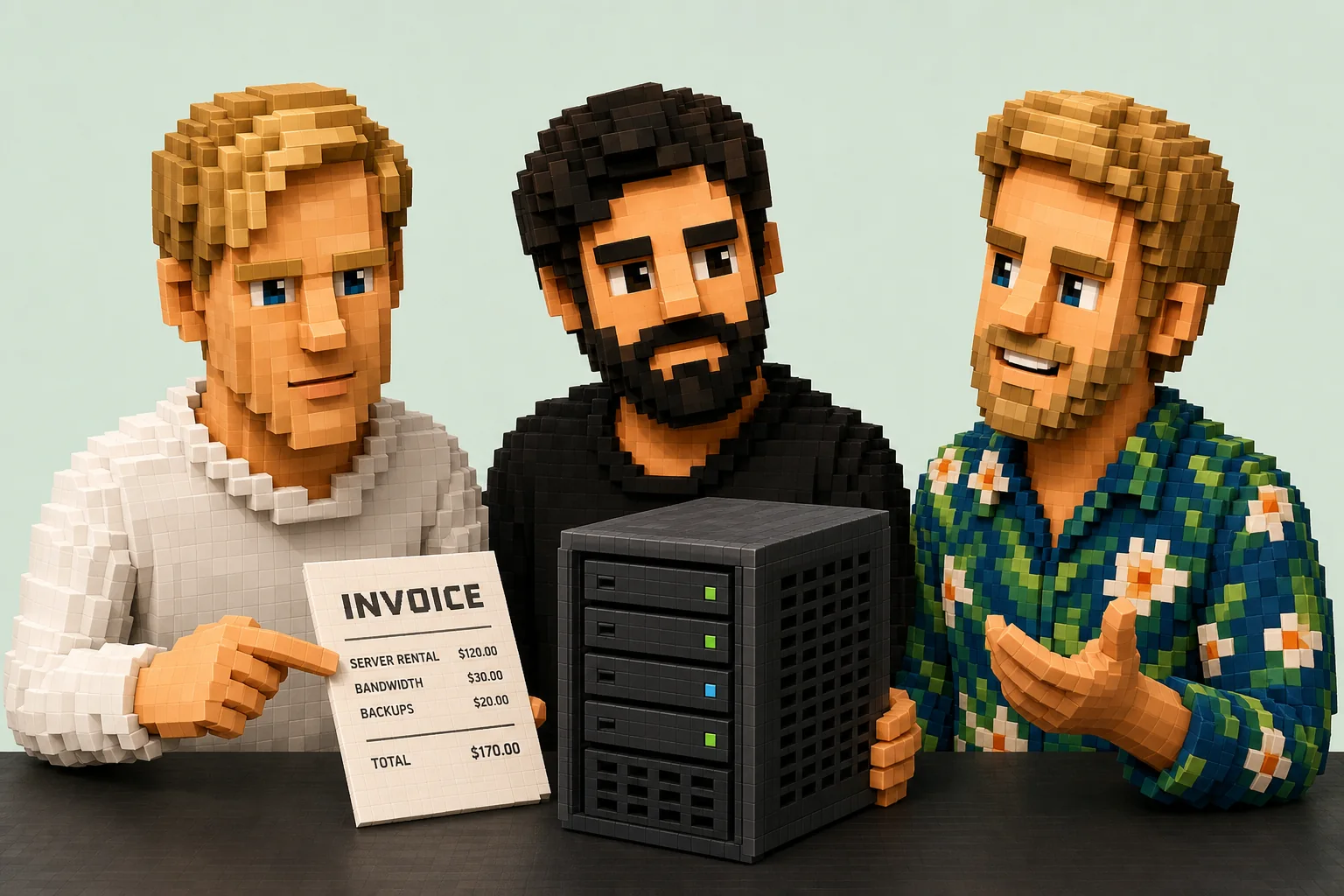
A wallet gives an AI agent the means to rent infrastructure, move its runtime and pay to keep itself online.
Read the snack ↗
An agent workforce can automate a great deal of activity while still losing its cost advantage to software that delivers the same outcome with less supervision.
Read the snack ↗
An AI agent can check its progress only against a destination it understands, and defining that destination may require much of the original work.
Read the snack ↗
Pete built Wingman to turn a plain-language description of a process into an editable pipeline of code, specialised agents and loops.
Read the snack ↗